Not all ads on Facebook are legitimate
Facebook has become much more than a place to catch up with friends or share your latest vacation pics. It’s now a sprawling marketplace, a digital megaphone for brands and businesses, both big and small. But as it grows, so does the dark side—scammers have turned it into a hunting ground for unsuspecting users. How can I check Facebook ads? Fake ads promising outrageous deals flood your feed, blending in with the legit ones.
7 Red Flags of Fake Facebook Ads:
How to Identify and Avoid Scams
Spotting fake ads on Facebook can feel like walking through a minefield, but with a few key tips, you can dodge the scams. Here are seven red flags to look out for:
1. Unbelievable discounts
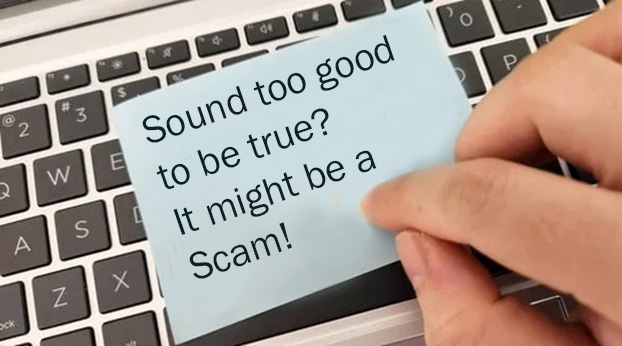
Ads offering luxury items or high-end electronics at shockingly low prices are a major red flag. Is it safe to buy from ads on Facebook? If a deal seems too good to be true, it probably is.
2. Strange URLs
Always check the link in the ad. Scam ads often use URLs with extra characters or odd spellings, making them look like legitimate businesses at first glance.
3. Poor grammar and spelling
While this used to be an easy tell for spotting scams, AI tools like ChatGPT now make it much easier for scammers to create polished, professional-looking ads. So while typos still happen, don't rely on this alone as a giveaway.
4. No online presence
Legitimate businesses will have an established digital footprint. If you search for the company and find no history or very little information online, that’s a warning sign.
5. Fake or missing customer reviews
Scammers often disable comments or post fake reviews to give the illusion of trustworthiness. Always check independent sites like Trustpilot for real feedback.
6. High-pressure tactics
Be wary of ads that use social engineering tricks and push you to act fast with phrases like "Limited-time offer!" or "Only a few left!" Scammers use urgency to make you rush into decisions without thinking.
7. Suspicious payment methods
If the ad asks for payment via wire transfer, gift cards, or cryptocurrency, it’s a surefire sign of a scam. Legit businesses use secure payment platforms that protect consumers.